

Get the Human Perspective on Your Medical Devices
Objective human factors analysis is vital to developing medical devices that perform effectively in the hands of real-world patients and healthcare providers. Exponent assists manufacturers with human factors and usability design evaluations for medical devices, in vitro diagnostics, and combination products — from registration, regulatory compliance, use-related risk management, and usability assessments to post market activities.
Medical device design and user interaction testing
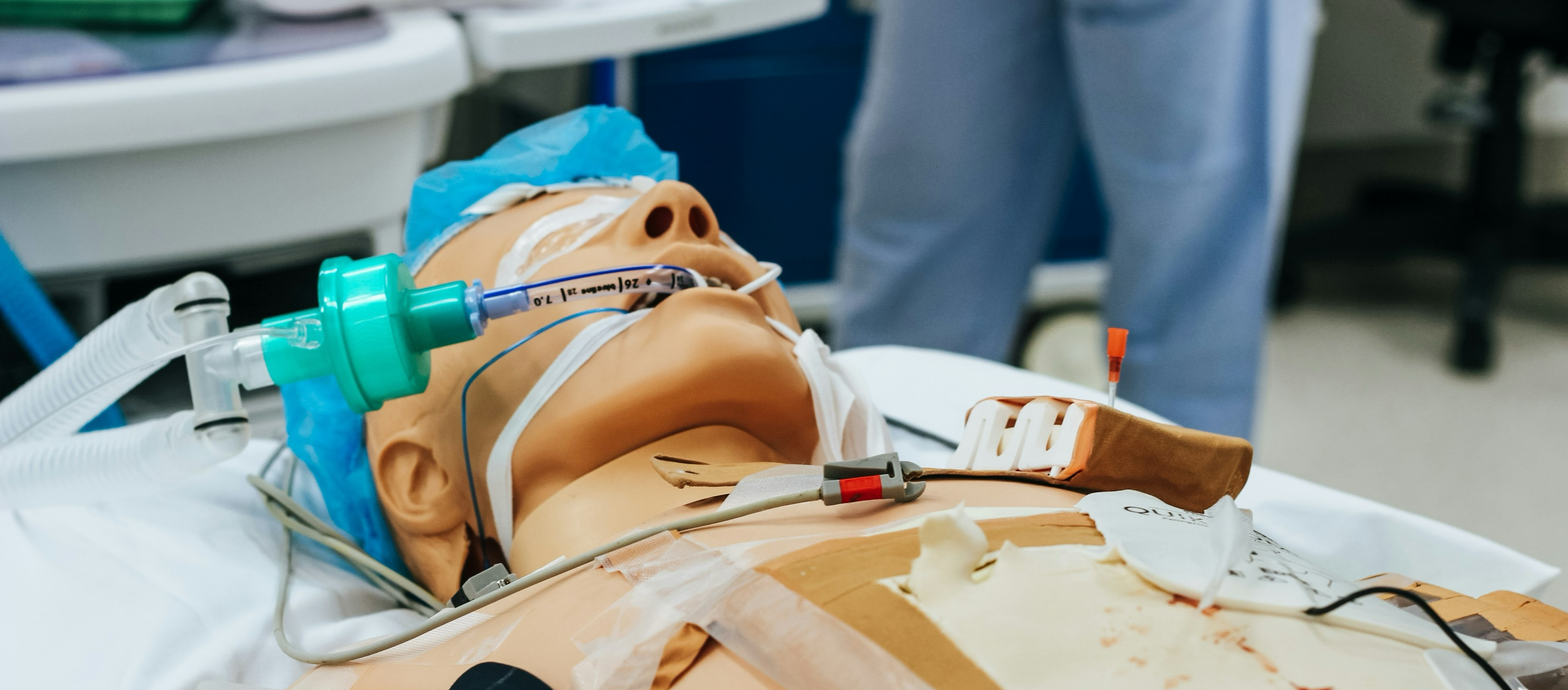
Design challenges for medical devices, combination products, and in vitro diagnostics, include technological complexity, interactivity with associated devices and services, and compliance with medical device regulations and industry best practices. Many manufacturers and developers integrate usability assessments into their design process to identify and mitigate both foreseeable and unforeseen use-related hazards and risks.
Pixo offers unique medical device evaluations, integrating human factors with mechanical and biomedical engineering to provide bespoke product support — from proof of concept, through development, to premarket regulatory submissions, to postmarket safety and efficacy management.
We have study recruitment partner to access user study labs for conducting simulated-use tests, user group evaluations on intended use populations, and use-related risk analysis (URRA) in risk management for a wide range of medical devices and components. We also offer evaluations of use-related documentation and labeling and postmarket surveillance support.
We've thrived on solving unstructured problems that require bespoke solutions. Some of our services include:
- Performing human factors URRA, failure mode and effects analysis (FMEA)/usability hazards, and fault tree analysis to help identify tasks that, if performed incorrectly, could cause harm or impact device longevity
- Conducting research to understand real-world use in a user's environment
- AI-enabled medical device risk analysis
- Assessing labeling, device instructions, and safety information for user comprehension
- Addressing usability issues within the iterative design lifecycle, including testing of device labeling and effectiveness of instructions and training and allowing manufacturers to address design challenges and optimize development efficiency
- Summative validation testing to demonstrate that a device can be safely used by the intended user group utilizing multimodal approaches for collecting behavioral, psychological, and physiological measures for inclusion in FDA regulatory submissions
- State-of-the-art usability labs (e.g., user study labs, cadaver labs) in strategic locations across the U.S.
- Product liability and risk mitigation analysis (e.g., design, labeling/IFU)