

Designing for Clinical Workflow Variability
Clinical workflows rarely behave like diagrams. Staffing levels, room layout, patient acuity, handoffs, and local habits all shape how a device is noticed, prepared, operated, cleaned, and documented.
Clinical context changes how devices are used
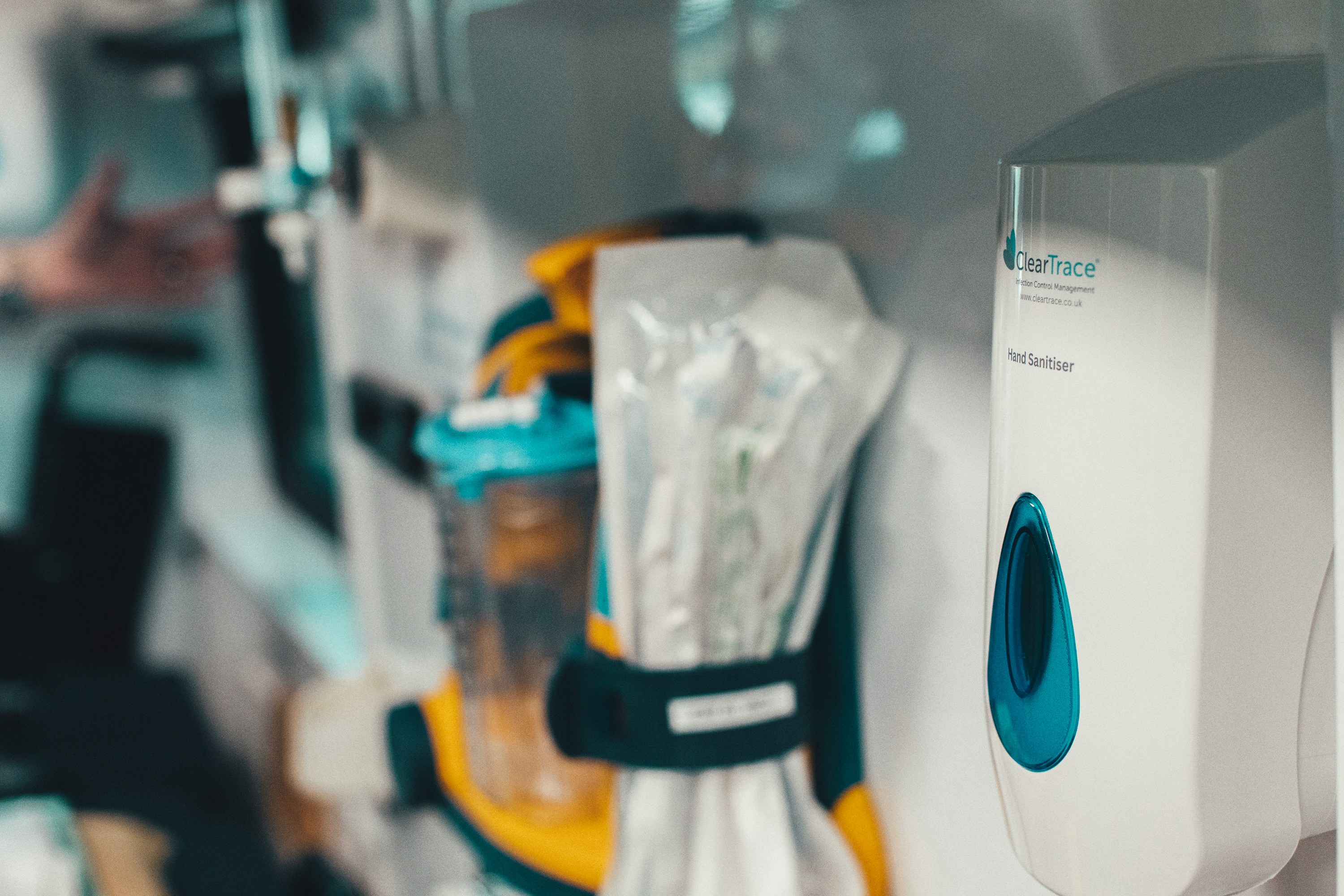
When design teams assume one ideal workflow, use problems can stay hidden until late-stage validation. A better approach is to map the device across several credible work patterns and identify where the user's attention, posture, timing, or authority changes.
Workflow-aware research does not need to be slow. Short contextual interviews, simulated-use walkthroughs, and task sequencing exercises can reveal where instructions, alarms, connectors, displays, and accessories need stronger design support.
The goal is not to design for every edge case. The goal is to understand which variations are normal enough to plan for, risky enough to mitigate, and important enough to include in formative evaluation.
- Map device use across primary, backup, and interrupted workflows
- Observe how users move between the device, patient, accessories, and documentation
- Identify steps that depend on memory, timing, or local workarounds
- Test design changes under realistic interruption and handoff conditions